Christmas 3D Mug Art: Elevating Holiday Sublimation Projects
Christmas 3D mug art represents a significant step up from traditional flat holiday designs, offering a visual depth that transforms standard drinkware into immersive seasonal experiences. Unlike basic vector graphics or simple text overlays, these designs utilize shading, perspective, and lighting effects to create an illusion of three-dimensionality on a curved surface. When applied correctly through sublimation, the artwork wraps around the ceramic vessel in a way that makes elements appear to pop out toward the viewer or recede into a cozy winter background. This specific style of digital art is engineered to account for the cylindrical distortion inherent in mug printing, ensuring that the 3D effect remains intact and visually striking from every angle.
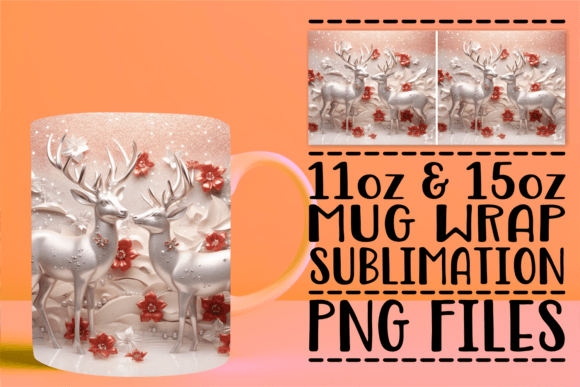
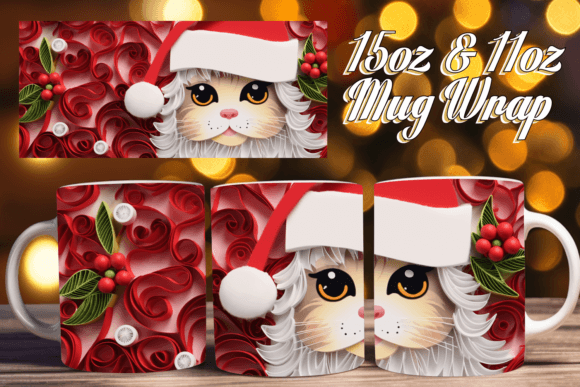
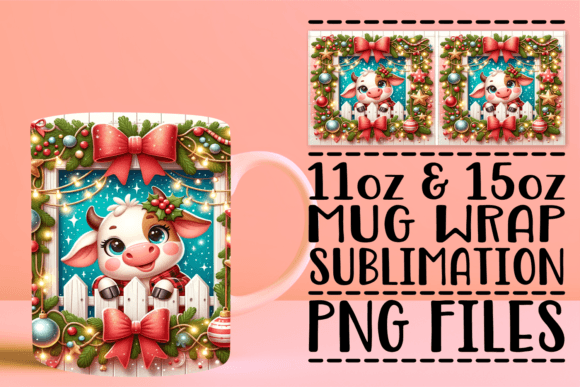
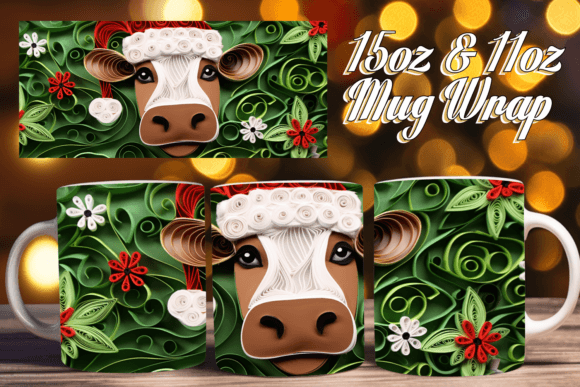
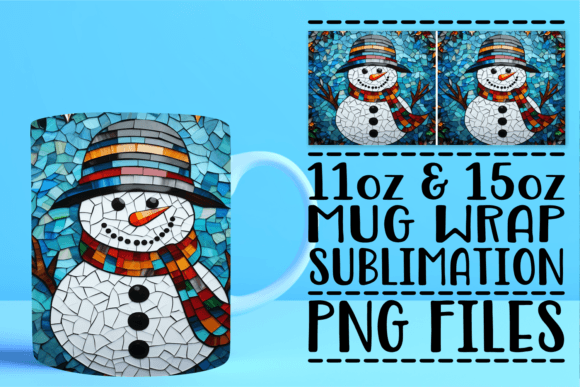
The true value of high-quality Christmas 3D mug art lies in its versatility across different real-world scenarios. For small business owners operating Etsy shops or local craft boutiques, these files serve as immediate inventory expanders during the critical Q4 rush. Instead of spending dozens of hours designing complex winter scenes from scratch, creators can utilize pre-made, high-resolution templates to test new niches rapidly. A design featuring a hyper-realistic Santa peeking over a snowy fence might resonate with traditional collectors, while a neon-lit 3D reindeer could appeal to a younger demographic. Having both 11oz and 15oz variations included allows sellers to cater to diverse customer preferences without additional design work, effectively doubling the potential product listings from a single creative asset.
Beyond commercial retail, this type of artwork has found a strong home in the personalized gift market. Corporate gifting coordinators and HR professionals often seek holiday merchandise that feels premium rather than generic. A flat, pixelated clip-art mug often ends up in the back of a cupboard, but a crisp, 300 DPI 3D render conveys thoughtfulness and quality. These designs work exceptionally well for employee appreciation gifts, client thank-yous, or real estate closing presents where the goal is to leave a lasting positive impression. The depth in the artwork suggests a higher production value, making the recipient feel more valued even if the base cost of the blank mug remains low.
Crafters participating in holiday markets and craft fairs also benefit significantly from the visual impact of 3D art. In a crowded vendor hall filled with hundreds of tables, depth catches the eye faster than flat color. When customers walk past a display, the interplay of light and shadow in a 3D sublimation wrap creates movement and interest that static images lack. This is particularly useful for vendors who cannot rely on interactive demonstrations; the product must sell itself visually from several feet away. Furthermore, because these PNG templates are optimized for sublimation, they maintain their integrity when scaled between standard mug sizes, ensuring that the booth display looks cohesive whether showcasing delicate tea cups or large latte mugs.
For those creating keepsakes or family heirlooms, Christmas 3D mug art offers a nostalgic aesthetic that bridges generations. Many 3D designs incorporate classic textures like knitted wool, glistening snow, or vintage ornament glass that evoke tactile memories. When used for family reunion favors or annual tradition markers, these mugs become tangible representations of holiday warmth. The high resolution ensures that fine details, such as individual snowflakes or fabric weave patterns, remain sharp after the heat press process. This attention to detail matters immensely when the end user is someone you know personally; blurry edges or banding artifacts can detract from the sentimental value, whereas professional-grade 3D art enhances it.
However, successfully leveraging these files requires a realistic understanding of technical prerequisites. It is essential to recognize that purchasing a digital download does not include training on sublimation mechanics. Users must already possess the necessary hardware, including a compatible printer, sublimation ink, heat press, and appropriate software for managing PNG layers. The 300 DPI specification is non-negotiable for achieving the intended 3D effect; attempting to upscale lower-resolution images will result in a loss of the depth cues that define this art style. Additionally, color management plays a crucial role. Monitors display colors in RGB light, while sublimation printers use CMYK ink. Without proper ICC profiles and calibration, the vibrant shadows and highlights that create the 3D illusion may print muddy or flat. Experienced sublimators understand that testing on spare blanks is always advisable before committing to a final production run.
Customization is another area where practical experience influences outcomes. While these PNG templates are ready to use, the most successful creators often treat them as foundations rather than finished products. Adding personalized names, dates, or custom messages requires careful layering to preserve the 3D illusion. Text placed directly over a complex shadow area might become unreadable, so understanding how to blend typography with dimensional art is key. Some users find success by adding subtle texture overlays or adjusting contrast curves to match their specific printer’s output characteristics. The included 11oz and 15oz wraps provide the correct aspect ratios, but slight adjustments may be needed depending on the exact brand of mug blank being used, as manufacturing tolerances can vary by fractions of an inch.
It is also worth noting the distinction between file support and process support when acquiring these resources. Sellers typically offer assistance exclusively related to the digital files themselves—such as corrupted downloads, missing layers, or resolution discrepancies. Questions regarding heat press temperatures, dwell times, paper alignment, or ink saturation fall outside this scope. This boundary exists because sublimation variables differ wildly between setups; what works perfectly on one press may fail on another. Prospective buyers should ensure they have established workflows and troubleshooting resources for their equipment before investing in specialized art. When the technical foundation is solid, however, Christmas 3D mug art becomes a powerful tool for differentiation.
The seasonal nature of this content also demands strategic timing. Unlike evergreen designs, Christmas 3D mug art has a limited window of peak relevance. Successful users plan their production schedules backward from key shopping dates, accounting for design customization, pressing time, photography, listing creation, and shipping deadlines. Having optimized, high-resolution files ready to go eliminates the design bottleneck during this compressed timeframe. Early adopters who list these items in late summer or early autumn often capture the "planner" demographic, while last-minute shoppers in December respond to ready-to-ship inventory featuring bold, eye-catching 3D visuals. Understanding this temporal dynamic helps maximize the return on investment for each digital asset purchased.
Ultimately, the effectiveness of Christmas 3D mug art depends on aligning the resource with existing capabilities and market needs. For seasoned sublimators, these files represent efficiency and professional polish. For newcomers still mastering their equipment, they serve as aspirational benchmarks for quality. The inclusion of multiple size options and high-DPI specifications reflects an understanding of commercial production requirements, but realizing that potential requires user competence. When skill meets quality source material, the result is holiday merchandise that stands out in a saturated market, bringing genuine festive spirit to every cup raised during the season.