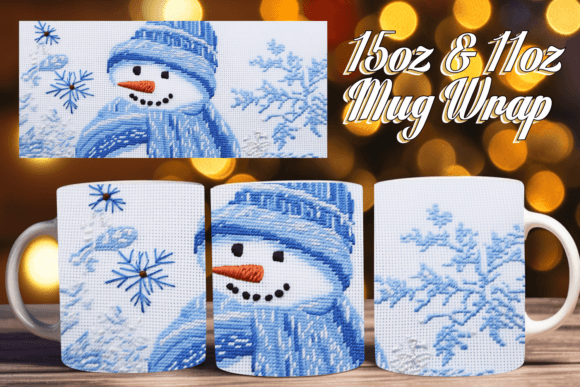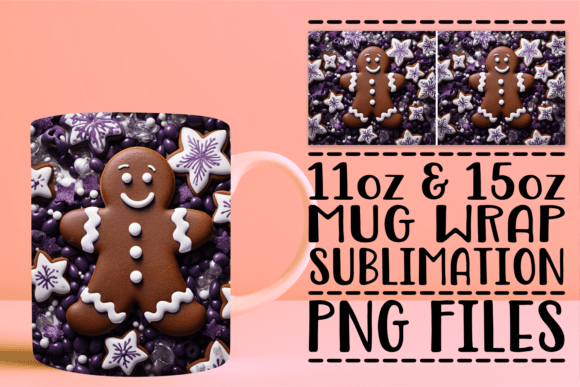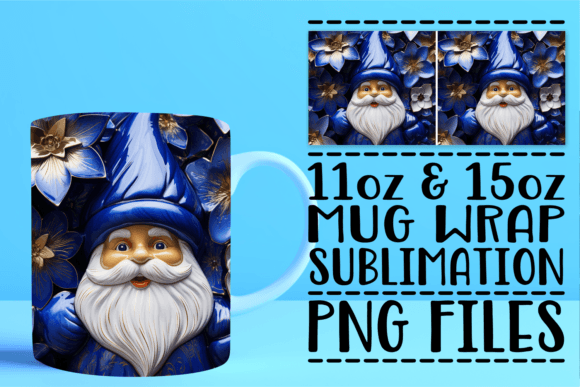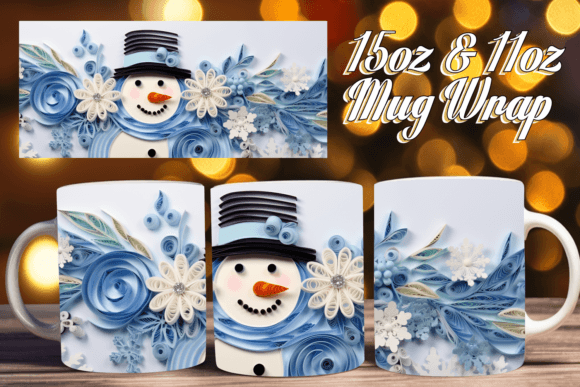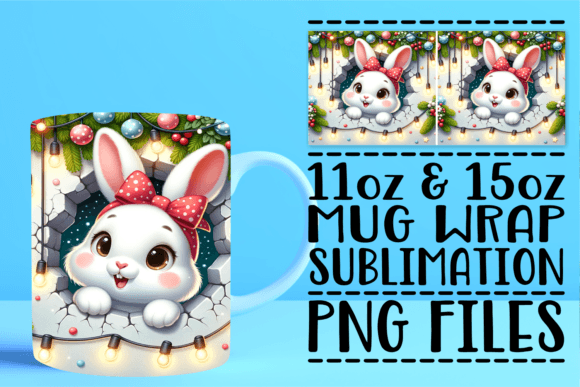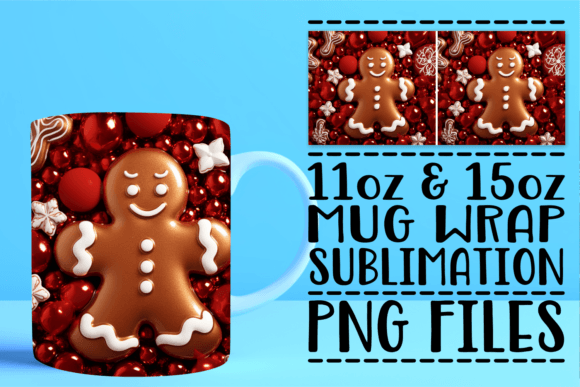
Elevating Seasonal Merchandise with Winter Festive 3D Mug Designs for 11oz and 15oz Sublimation
The Technical Foundation of High-Resolution 3D Wraps
Creating professional-grade ceramic drinkware requires more than just artistic flair; it demands a rigorous adherence to technical specifications. When working with Winter Festive 3D Mug Designs for 11oz and 15oz formats, the integrity of the final product is entirely dependent on the quality of the source file. The industry standard for sublimation printing is unequivocally 300 DPI (dots per inch). This resolution ensures that intricate details—such as the texture of knitted sweater patterns, the glisten of snowflakes, or the depth of faux embossing—remain crisp after the heat transfer process. Lower resolution files often result in pixelation or blurring once stretched across the curved surface of a mug, particularly on the larger 15oz format which offers significantly more surface area than its 11oz counterpart.
The PNG format serves as the optimal vessel for these designs due to its lossless compression and support for transparency. Unlike JPEGs, which can introduce artifacts during compression, high-resolution PNG templates preserve color accuracy and edge definition. For creators utilizing these digital assets, understanding that the file is optimized specifically for sublimation wraps is crucial. These are not generic images but precisely measured templates designed to account for the specific circumference and height of standard mug presses. Utilizing a file outside of its intended dimensions can lead to misalignment, ghosting, or incomplete coverage, undermining the professional appearance of the finished good.
Navigating Equipment and Software Prerequisites
Before integrating any digital design asset into a production workflow, verifying operational readiness is essential. Effective utilization of specialized sublimation files assumes the user already possesses a functional ecosystem of hardware and software. This includes a dedicated sublimation printer with appropriate ink systems, a calibrated heat press capable of maintaining consistent temperature and pressure, and graphic editing software proficient in handling high-DPI PNG layers. Vendors and designers typically provide support strictly related to the integrity of the digital file itself rather than instruction on the mechanical processes of sublimation.
This distinction is vital for both hobbyists and commercial operators. Troubleshooting should be segmented: if the downloaded file opens correctly, maintains 300 DPI, and displays the expected dimensions, the asset is functioning as intended. Issues arising from color shifts, paper jams, or uneven transfers generally stem from equipment calibration, substrate quality, or environmental factors rather than the design file. Recognizing this boundary streamlines the problem-solving process and ensures that time is spent optimizing production variables rather than questioning valid digital assets. Professionals understand that mastery of the sublimation concept is a prerequisite for leveraging premium design resources effectively.
Strategic Applications Across Diverse User Segments
The versatility of winter-themed 3D mug wraps extends far beyond simple holiday gifting. Different demographics leverage these assets for distinct objectives, ranging from revenue generation to educational engagement. Understanding these varied use cases helps maximize the return on investment for digital design purchases.
- Small Business Owners and POD Sellers: For entrepreneurs operating on platforms like Etsy or Shopify, seasonal inventory turnover is critical. Pre-made 3D festive designs allow for rapid catalog expansion without the lead time associated with custom illustration. The availability of both 11oz and 15oz sizes enables sellers to offer tiered pricing strategies, catering to budget-conscious buyers and those seeking premium, large-capacity vessels.
- Educators and School Administrators: Winter mugs serve as excellent fundraising tools or staff appreciation gifts. Schools can utilize these designs to create cohesive merchandise for holiday fairs. The 3D aesthetic adds a perceived value that flat prints lack, making them attractive to parents and community members looking for quality keepsakes rather than disposable novelties.
- Corporate Event Coordinators: End-of-year corporate gatherings often require branded yet festive swag. These templates can be customized with company logos while retaining a celebratory atmosphere. The professional finish of a high-DPI 3D wrap aligns better with corporate branding standards than DIY crafts, ensuring the organization is represented positively.
- Hobbyists and Crafters: For individuals creating personalized gifts for family reunions or friend groups, these designs reduce the barrier to entry. Instead of spending hours learning complex 3D rendering software, crafters can focus on personalization elements like names or dates, relying on the template to provide the visual heavy lifting.
The Psychology of Faux Texture in Winter Design
The enduring popularity of 3D festive designs lies in their ability to evoke tactile sensations through visual means. During winter months, consumers gravitate toward imagery that suggests warmth, comfort, and nostalgia. A well-executed 3D mug wrap simulates materials like wool, burlap, wood grain, or raised enamel. Even though the physical mug remains smooth ceramic, the brain processes the visual cues as textural information. This psychological phenomenon increases the perceived value of the item and enhances the emotional connection between the user and the object.
When selecting or customizing these templates, consider how lighting and shadow interact within the 3D render. Authentic-looking shadows create the illusion of depth that distinguishes a premium wrap from a flat sticker. For 15oz mugs, which have a taller profile, vertical elements in the design can accentuate the height, while horizontal bands work well to break up the space visually. On 11oz mugs, centralized focal points often perform better due to the more compact viewing area. Aligning the design composition with the physical geometry of the vessel ensures the 3D effect reads correctly from all angles.
Optimizing Production Workflows for Consistency
Achieving uniform results with Winter Festive 3D Mug Designs for 11oz and 15oz requires a disciplined approach to file management and printing. Because these files are high-resolution, they demand adequate computing resources. Working in RGB color mode is generally recommended for sublimation workflows, as most modern RIP software and printer drivers handle the conversion to CMYK more accurately than manual pre-conversion. Always verify the color profile settings match your specific ink and paper combination to prevent muddy blues or dull reds, which are common pitfalls in winter-themed palettes.
File organization also plays a role in efficiency. Maintaining separate folders for 11oz and 15oz variants prevents accidental misprinting. Since the aspect ratios differ, swapping files between sizes without resizing leads to distortion. When customization is required, such as adding recipient names, utilize non-destructive editing layers. This preserves the original 300 DPI base layer intact, allowing for future modifications without degrading image quality. Export final prints as mirrored PNGs or high-quality PDFs to maintain sharpness through the printing pipeline.
Quality Assurance and Vendor Support Boundaries
Even with perfect files, production variables can introduce inconsistencies. Implementing a test print protocol is advisable before committing to bulk runs. Print a section of the design on plain paper first to check sizing against the actual mug. Verify that the bleed areas are sufficient to cover the rim-to-rim distance without leaving white gaps. Once confident in the fit, proceed with sublimation paper. Documenting successful press settings (temperature, time, pressure) for each specific mug size creates a reference library that reduces waste in future projects.
Should issues arise specifically regarding the digital asset—such as corrupted downloads, incorrect dimensions, or resolution discrepancies below the stated 300 DPI standard—vendor support becomes invaluable. Reputable designers stand behind the technical specifications of their work. However, distinguishing between file defects and process errors saves time for both parties. If the file meets all stated criteria but the output is unsatisfactory, the investigation should turn toward equipment maintenance, substrate coating quality, or environmental humidity levels. This collaborative approach to troubleshooting ensures that creators receive appropriate assistance while maintaining autonomy over their production processes.
Maximizing Value Through Versatile Asset Utilization
The investment in premium sublimation templates yields returns proportional to their application breadth. Beyond standard mugs, high-resolution 3D winter designs can often be adapted for complementary products. The same aesthetic principles that make a mug appealing translate well to coasters, tumblers, or even framed prints when cropped appropriately. While the primary files are sized for 11oz and 15oz mugs, the 300 DPI quality provides enough pixel density for smaller applications without resampling. This cross-utilization maximizes the utility of a single purchase, creating cohesive product lines that appeal to customers seeking matching sets.
Furthermore, keeping an archive of seasonal assets allows for year-over-year efficiency. Winter themes tend to be cyclical; classic designs remain relevant across multiple seasons. By organizing files meticulously and noting which designs performed best previously, creators can streamline future holiday preparations. The combination of technical excellence, strategic application, and workflow optimization transforms a simple digital download into a cornerstone of seasonal production strategy. Whether serving a bustling commercial operation or a passionate home studio, respecting the technical and creative parameters of these designs unlocks their full potential in the competitive landscape of personalized merchandise.