Holiday 3D Glass Mug: Evaluating Sublimation Templates for Seasonal Drinkware
Selecting the right design assets for seasonal merchandise requires balancing aesthetic appeal with technical feasibility. When creators explore options for a Holiday 3D Glass Mug, they are often looking for more than just a festive graphic; they are seeking a template that translates effectively onto curved glass surfaces while maintaining high visual fidelity. The specific digital files associated with this product category serve as the foundational layer for sublimation printing, a process that demands precision in both software preparation and physical application. Understanding the distinction between the digital asset and the physical production requirements is critical for anyone comparing resources for their holiday product line.
Defining the Holiday 3D Glass Mug Asset
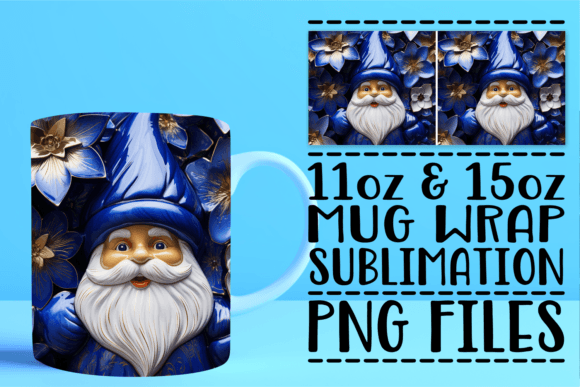
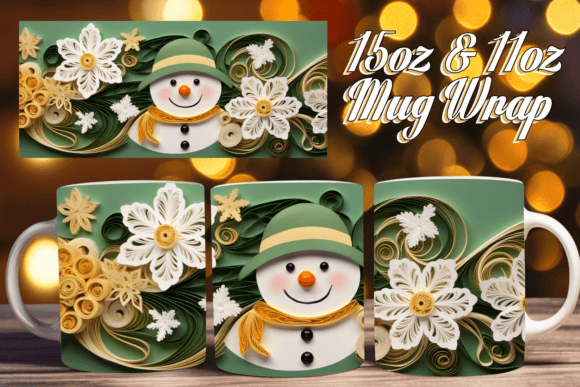
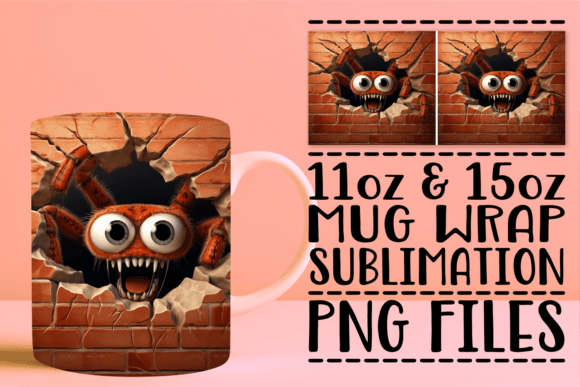
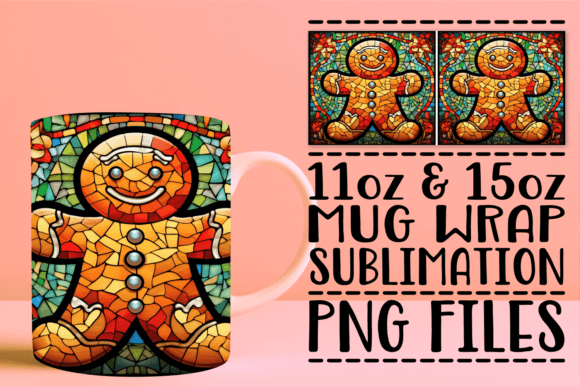
A Holiday 3D Glass Mug resource typically refers to a high-resolution digital template designed specifically for dye-sublimation on glass drinkware. Unlike standard flat prints, these files are engineered to account for the cylindrical geometry of 11oz and 15oz mugs. The "3D" designation in this context generally refers to the visual depth created by the artwork or the wrap-around continuity that simulates a three-dimensional scene when applied to the vessel. These templates are provided as PNG files at 300 DPI, ensuring that intricate holiday details—such as snowflake textures, lighting gradients, or character shading—remain crisp after the heat transfer process.
The primary function of this specific download is to provide a print-ready canvas. It includes two distinct PNG files optimized for different mug capacities. This sizing specificity is vital because glass sublimation does not forgive stretching or pixelation. When evaluating this type of asset, users should recognize that it is a component of a larger workflow. The file itself is static; its success depends entirely on the user’s ability to manage color profiles, mirror imaging, and heat press settings appropriate for glass substrates.
Comparing Digital Templates to Physical Alternatives
When researching holiday drinkware options, buyers often weigh digital sublimation templates against pre-printed inventory or alternative customization methods like vinyl decals or UV printing. Each approach serves different business models and quality expectations.
Sublimation Templates vs. Pre-Made Inventory
Purchasing a Holiday 3D Glass Mug template offers flexibility that pre-made inventory cannot match. With digital files, creators can produce on-demand, reducing storage costs and waste. If a specific design underperforms, the financial loss is limited to the initial file cost rather than unsold stock. However, this advantage comes with a tradeoff: production complexity. Pre-made mugs require zero technical skill, whereas sublimation templates demand proficiency with graphic design software and heat transfer equipment. For those already equipped with sublimation infrastructure, the template is a cost-effective expansion. For beginners without equipment, the learning curve and hardware investment may outweigh the benefits of custom digital assets.
Sublimation vs. Vinyl and UV Printing
Vinyl decals are a common alternative for glass mugs, but they differ significantly in durability and finish. Vinyl sits on top of the glass surface, creating a tactile ridge and potential peeling points over time. In contrast, sublimation ink infuses into the polymer coating of the glass, resulting in a smooth, dishwasher-safe finish that feels integrated into the vessel. UV printing also sits on the surface but offers higher durability than vinyl. The decision factor here is perceived value. A Holiday 3D Glass Mug created via sublimation typically commands a higher price point due to the professional, seamless finish. If the goal is budget-friendly, temporary decor, vinyl may suffice. If the objective is premium, long-lasting merchandise, the sublimation template is the superior choice.
Technical Requirements and Compatibility Assessment
A crucial aspect of evaluating this product is understanding the boundary between the digital file and the physical execution. The provider explicitly states that support is exclusively available for issues related to the files themselves, not the sublimation process. This distinction serves as an important filter for potential buyers.
- Software Proficiency: Users must possess and know how to operate design software capable of handling 300 DPI PNGs. This includes understanding layers, transparency, and resizing without distortion.
- Hardware Availability: Access to a sublimation printer, sublimation ink, transfer paper, and a mug press rated for glass is mandatory. Standard inkjet printers and office paper will not work.
- Material Knowledge: Not all glass mugs accept sublimation. Only poly-coated glass blanks designed for this purpose will yield successful results. Using standard retail glassware will result in immediate failure.
If you lack these prerequisites, this specific Holiday 3D Glass Mug asset is likely not the right fit. Alternative options would include hiring a sublimation service provider or purchasing finished goods. Conversely, if you have the equipment and skills but lack seasonal designs, this template fills a specific gap in your production capability without requiring you to create artwork from scratch.
Evaluating Resolution and Format Specifications
In the marketplace of digital design assets, resolution and format are key differentiators. This product provides 300 DPI PNG files, which is the industry standard for high-quality printing. When comparing this to other available resources, pay close attention to these specifications.
Many lower-cost or free alternatives offer JPEG files or low-resolution PNGs (72-150 DPI). While these may look acceptable on a screen, they often degrade significantly when printed on glass. Glass has a reflective surface that highlights pixelation and compression artifacts. The 300 DPI specification of this Holiday 3D Glass Mug template ensures that fine lines and color transitions remain sharp. Furthermore, the PNG format supports transparency, allowing for easier manipulation and layering compared to flattened JPEGs. When assessing value, consider whether the alternative files would require extensive editing or upscaling to reach printable quality. Often, the time spent fixing inferior files exceeds the cost difference of acquiring a properly formatted template initially.
Best-Fit Scenarios and Limitations
Determining whether this resource aligns with your needs involves analyzing your specific use case. There are distinct situations where this Holiday 3D Glass Mug template excels and others where it may fall short.
Ideal Use Cases
This asset is best suited for established sublimation businesses expanding their holiday catalog, crafters with existing equipment looking for fresh seasonal content, and designers who want a reliable base to customize with personalization (names, dates, logos). The inclusion of both 11oz and 15oz sizes adds versatility, allowing for product tiering without sourcing multiple design packs. The high resolution makes it particularly suitable for designs featuring complex photography or detailed illustrations where clarity is paramount.
Limitations and Considerations
The primary limitation is the lack of process support. Beginners often assume that buying a template includes guidance on temperature, time, and pressure settings. This product does not offer that. Additionally, as a digital template, it requires post-processing. It is not a "print-and-forget" solution; users may need to adjust colors for their specific printer profile or modify elements to fit unique mug dimensions. Those seeking a completely turnkey solution or educational mentorship on sublimation should look elsewhere. Finally, being a digital file, there is no physical sample to evaluate before purchase. Buyers must rely on the provided mockups and specifications to judge suitability.
Making an Informed Decision
Choosing the right Holiday 3D Glass Mug resource ultimately depends on aligning the asset’s attributes with your current capabilities and goals. If you prioritize professional-grade output, possess the necessary technical infrastructure, and require versatile, high-resolution seasonal artwork, this template represents a practical investment. It streamlines the design phase, allowing you to focus on production and marketing.
However, if you are still exploring the sublimation hobby or lack the specific hardware for glass mugs, direct your resources toward education or equipment first. Comparing this template against alternatives should not just be about price or aesthetics, but about compatibility with your operational reality. By carefully weighing the technical specifications, support boundaries, and comparative advantages against other methods, you can select the option that minimizes friction and maximizes the quality of your holiday offerings. Always verify that your software and equipment are fully operational before purchasing digital assets to ensure a seamless integration into your creative workflow.