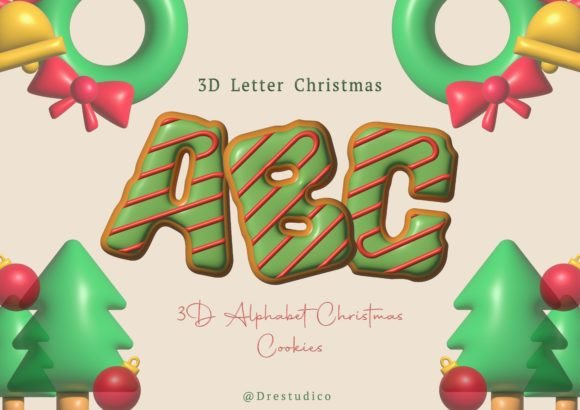
Christmas Cookie 3D Alphabet: Strategic Application for Holiday Design and Merchandising
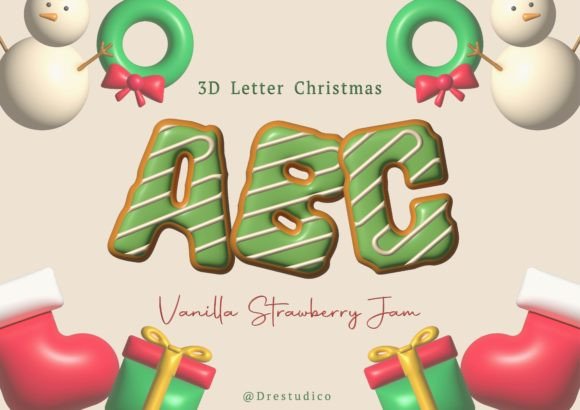
The holiday season represents a critical window for creators, small business owners, and marketers to capture attention through distinct visual storytelling. Within this competitive landscape, the Christmas Cookie 3D Alphabet serves as more than a decorative asset; it is a strategic tool for establishing thematic consistency across digital and physical touchpoints. This digital collection of inflated, gingerbread-style typography offers a tangible aesthetic that bridges the gap between nostalgic tradition and modern design requirements. Understanding how to leverage this specific asset class requires moving beyond simple decoration and considering its role in brand positioning, product development, and customer engagement during the Q4 rush.
For professionals managing holiday campaigns or product lines, clarity regarding asset specifications is paramount. The Christmas Cookie 3D Alphabet is provided exclusively as a high-resolution PNG download. It is crucial to distinguish this from vector-based formats; these are finished, rasterized files at 300 DPI with transparent backgrounds. They are not SVGs and cannot be edited or reshaped in vector software. This distinction dictates the workflow: these assets are optimized for direct placement in layout software, sublimation printing, and digital compositing rather than logo manipulation or scalable signage. Recognizing these technical boundaries early prevents production delays and ensures the final output maintains the intended puffy, textured aesthetic without pixelation.
Aligning Visual Assets with Business Objectives
Adopting a playful, 3D typographic style like the Christmas Cookie 3D Alphabet should be a deliberate decision aligned with broader communication goals. For e-commerce entrepreneurs and print-on-demand sellers, this asset pack supports rapid merchandising. The inclusion of A-Z letters, 0-9 numbers, and nine bonus 3D icons allows for the creation of personalized goods without the overhead of custom illustration. When planning inventory for mugs, ornaments, or apparel, the ability to compose unique names or dates using pre-rendered, high-quality elements significantly reduces time-to-market. This efficiency is vital when capitalizing on short-term seasonal trends where speed and quality must coexist.
Educators and content creators can utilize this alphabet to enhance learning materials or blog graphics with seasonal relevance while maintaining professional polish. The "inflated" and "gingerbread" semantic cues trigger immediate emotional associations with warmth, baking, and family traditions. By integrating these elements into worksheets, social media headers, or newsletter banners, creators can soften their brand voice temporarily to match the cultural moment. However, this must be done with intention. The aesthetic works best when supporting messages related to gifts, celebrations, recipes, or childhood nostalgia. Applying this whimsical style to corporate financial reports or serious B2B communications would create cognitive dissonance, undermining credibility rather than enhancing engagement.
Technical Considerations for Sublimation and Print Production
For makers and manufacturers relying on sublimation processes, the technical fidelity of source files determines product viability. The Christmas Cookie 3D Alphabet is engineered at 300 DPI, which is the industry standard for crisp physical reproduction. When designing for substrates like ceramic mugs, metal tumblers, or polyester textiles, resolution is non-negotiable. Low-resolution assets result in blurry transfers that devalue the perceived quality of the merchandise. Because these PNGs feature transparent backgrounds, they integrate seamlessly onto colored substrates without requiring complex masking or background removal. This streamlines the production workflow, allowing operators to focus on color management and press settings rather than file preparation.
It is important to plan layouts with the fixed nature of PNG typography in mind. Unlike live text or vectors, you cannot adjust the kerning, leading, or weight of these letters. Strategic planning involves testing compositions digitally before committing to print. Designers should assess whether the inflated style of the Christmas Cookie 3D Alphabet provides sufficient legibility at smaller sizes. While excellent for headlines, names, and focal points, highly detailed 3D renders may lose definition when scaled down for tags or small labels. Establishing minimum size guidelines during the prototyping phase ensures that every application remains readable and visually impactful.
Enhancing Digital Presence and Customer Experience
Beyond physical products, this asset set plays a significant role in digital experience design. Bloggers, website managers, and social media strategists can use the alphabet and bonus icons to create cohesive visual systems for holiday content series. Consistency builds recognition; using the same typographic treatment across Pinterest pins, Instagram stories, and website hero images creates a unified campaign identity. The bonus 3D icons—including snowflakes, gifts, and other holiday elements—provide supporting visuals that reinforce the primary message without competing for attention. This modular approach to design allows for rapid content generation while maintaining a high level of artistic coherence.
When deploying these assets in digital invitations or greeting cards, consider the hierarchy of information. The Christmas Cookie 3D Alphabet commands attention due to its volume and texture. Use it for the most critical data points: the event name, the recipient's name, or the primary call to action. Pair it with clean, simple sans-serif fonts for body copy and logistical details. This contrast ensures readability while preserving the festive atmosphere. Overusing ornate 3D typography can fatigue the viewer and obscure essential information. Thoughtful design balances novelty with utility, ensuring the audience enjoys the aesthetic while easily absorbing the message.
Risk Management and Intentional Usage
While versatile, reliance on themed assets carries inherent risks if approached without context. One common pitfall is the misalignment of tone. The Christmas Cookie 3D Alphabet evokes specific feelings of sweetness and playfulness. If your brand positioning is luxury minimalist or starkly modern, introducing puffy gingerbread letters may confuse your audience. Before integrating this pack, audit your existing visual language. Determine if this seasonal pivot enhances your brand narrative or detracts from it. Sometimes, a subtle nod to the season through color palette or photography is more appropriate than overt thematic typography.
Another consideration is licensing and originality. As a digital download, this asset is accessible to many users. To maintain distinctiveness in a saturated market, avoid using the alphabet in isolation or in generic configurations. Strategic differentiation comes from how you combine these elements with proprietary photography, unique color grading, or custom illustrations. Treat the Christmas Cookie 3D Alphabet as a foundational ingredient rather than the entire recipe. By layering it with original content, you mitigate the risk of creating designs that look identical to competitors using the same resource pack.
Maximizing Long-Term Value Through Asset Organization
Sustainable creative operations require organized asset management. Upon acquiring the Christmas Cookie 3D Alphabet, implement a systematic filing structure immediately. Categorize files by character type, icon variant, or intended project. Clear naming conventions save hours of searching during peak production periods. Furthermore, document usage rights and technical specifications within your internal knowledge base. Ensuring that all team members understand these are non-editable PNGs prevents wasted effort attempting to manipulate them in vector programs. Proper onboarding of digital assets protects your investment and maintains operational efficiency.
Finally, evaluate the performance of designs utilizing this alphabet post-season. Analyze which applications drove the highest engagement, sales, or positive feedback. Did the 3D style resonate more on social media or in email marketing? Which product combinations performed best? Gathering this data transforms a seasonal purchase into long-term strategic intelligence. Understanding why the Christmas Cookie 3D Alphabet succeeded or underperformed informs future asset acquisitions and campaign planning. This analytical approach elevates design decisions from subjective preference to evidence-based strategy, ensuring continuous improvement in how visual resources support business outcomes.
Practical Implementation Checklist
- Verify Resolution: Always confirm the canvas size supports 300 DPI output before finalizing print layouts to prevent quality loss.
- Test Contrast: Ensure the inflated letterforms remain legible against various background colors and textures used in your specific project.
- Define Hierarchy: Restrict 3D typography to headlines and key identifiers; use complementary flat fonts for detailed information.
- Audit Brand Fit: Confirm the whimsical gingerbread aesthetic aligns with your current campaign tone and target audience expectations.
- Leverage Bonus Content: Utilize the included icons to create borders, dividers, or accent elements that extend the theme beyond just text.
- Document Workflow: Create templates or style guides incorporating the alphabet to speed up future seasonal projects without reinventing the wheel.
Ultimately, the Christmas Cookie 3D Alphabet is a specialized instrument for seasonal communication. Its value is realized not merely through ownership, but through disciplined, creative application that respects both technical constraints and strategic objectives. By approaching this digital asset with the same rigor applied to business planning and operational execution, professionals can transform a simple font pack into a driver of holiday success, enhancing both the creative process and the final customer experience.